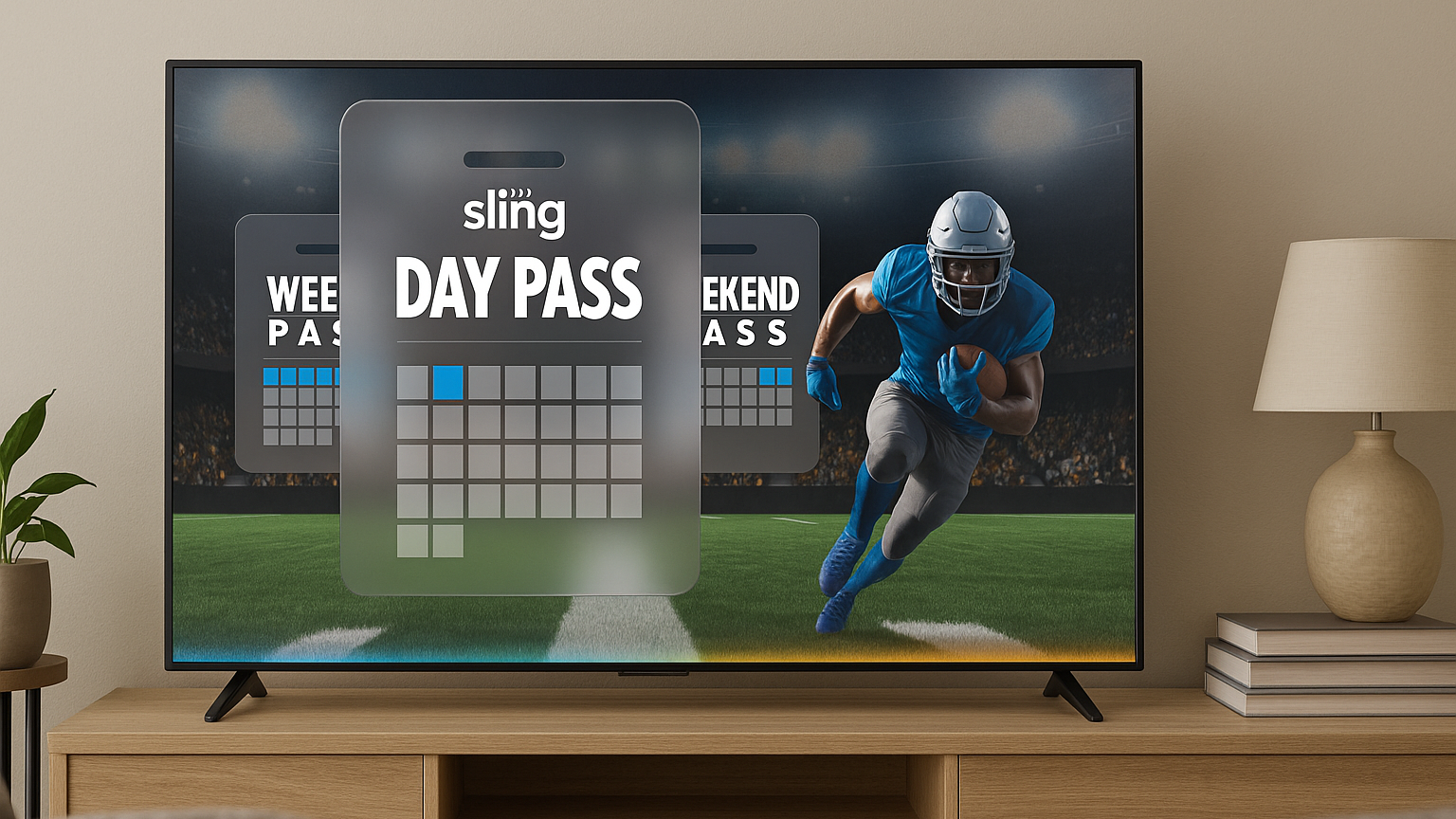
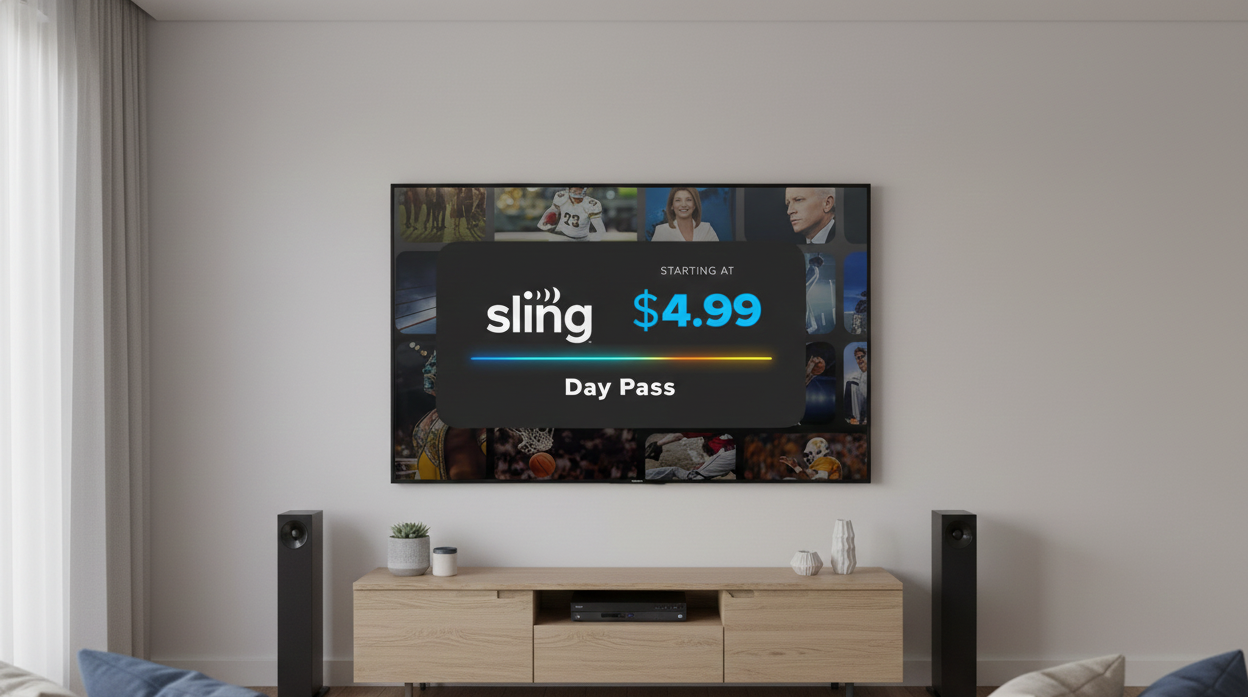
There’s something genuinely enjoyable about the sheer flexibility of modern streaming—being able to dip into a service for just a day or a weekend, no strings attached. For years, Sling TV’s Day Passes were a practical gem for cord-cutters, sports fans, and travelers alike. Whether you wanted to catch a single big game without a monthly subscription, sample a channel lineup before committing, or entertain houseguests with live TV for a weekend, these passes offered a low-stakes way to get exactly what you needed. It was a simple deal: pay for a day, watch for a day, and move on.
But then, quietly, Sling TV dropped its Day Passes earlier this year. The move puzzled many casual users who relied on them. Why kill something so convenient? The answer, as it turns out, has less to do with user preference and more to do with legal pressure. Major media giants, including Disney, NBCUniversal, and Warner Bros. Discovery, had filed lawsuits over Sling’s use of short-term passes, arguing that these temporary subscriptions undermined the complex licensing agreements for cable channels.
At the heart of the issue is a licensing dispute. Traditional cable and satellite deals are built on long-term contracts where media giants charge per subscriber, per month. Day Passes, in their eyes, let customers bypass that system—paying only for the days they actually watch. This, the lawsuits claimed, devalued their content and disrupted the revenue model that keeps channels afloat. For Sling, defending these passes in court would have been costly, so they chose to pull them rather than risk bigger penalties.
More to explore
This change matters for different people in different ways. For the sports fan who once bought a Day Pass to watch a single playoff game, the loss means they now have to either subscribe for a full month or find a free trial elsewhere. For the budget-conscious viewer who sampled new channels on weekends, the option disappears entirely. Even travelers who used passes in hotel rooms or on trips lose a handy, no-commitment tool.
If you’re missing the Day Passes, don’t fret—there are still simple workarounds. First, check if Sling offers any current free trial promotions (they usually have a 3- or 7-day window). Second, consider splitting a monthly subscription with a friend, covering just one billing cycle when you both want live TV. Third, explore other services like YouTube TV or Hulu + Live TV, which sometimes offer day-long “add-on” passes for specific sports leagues.
 Sling TV changes timing of Passes, moving to 1, 3, and 7-Day Passes
To get the most out of your streaming now, plan ahead. Instead of impulse-buying a pass, mark your calendar for that big event—then sign up for a short free trial the day before. Always cancel immediately after watching to avoid accidental charges. And if you’re a regular live-TV watcher, compare the costs: a $40 monthly Sling plan might actually be cheaper than buying separate day passes for five events a month.
In the end, Sling’s decision wasn’t about what users wanted—it was about what licensing law allowed. The lawsuits from media giants reminded us that even in the streaming age, old-school contracts still rule. For now, the loss of Day Passes is a small inconvenience, but it’s also a practical reminder to stay flexible and explore the many free trials and shared subscriptions still out there. After all, the goal remains the same: watch what you love, without paying for what you don’t.