Let’s be honest—finding out you might be owed money is one of those rare, delightful surprises that makes your day. It’s like discovering a forgotten $20 in your winter coat pocket, but potentially a whole lot more. That’s exactly the vibe around the Equifax $100 million settlement. It’s practical, it’s easy to understand, and it can bring a little financial relief to people who barely remember a data breach from years ago. The main purpose? To compensate folks who had their personal info exposed in the 2017 Equifax hack, and to remind big companies that security matters. For some, it’s a few bucks for their time; for others, it’s reimbursement for hours spent freezing credit reports. Either way, it’s a win for everyday consumers.
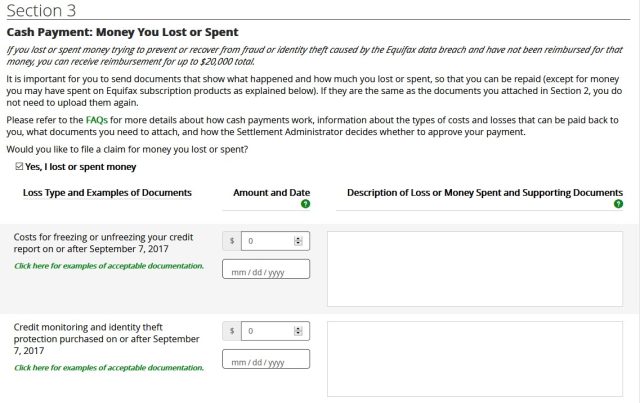
So, who actually qualifies for this payout? The short answer: anyone whose data was compromised in that massive breach—that’s roughly 147 million people. But here’s the twist: you don’t need to prove you were a victim of identity theft. Even if you just got a letter from Equifax back in 2017, you’re likely eligible. The settlement covers two main groups: time-based claimants (people who spent time dealing with the mess) and out-of-pocket claimants (those who paid for credit monitoring or had actual fraud costs). For instance, if you spent hours on the phone freezing your credit or buying identity theft software, you can claim up to 20 hours of your time at $25 per hour—that’s $500 for minimal effort.
Here’s a common scenario you might recognize: You got a vague email about the breach, shrugged it off, and forgot about it. But if you later enrolled in free credit monitoring through Equifax’s offer, you’re still in the game. The settlement also includes a cash alternative for people who already had their own monitoring service. And yes, if you were scammed or had to pay for legal help because of the breach, you can claim actual losses up to $20,000. Just be ready to show receipts or documentation—think bank statements, credit card bills, or letters from your bank.
More to explore
Now for the fun part: actionable tips. First, check if you’re in the class by visiting the official settlement website (ftc.gov/Equifax). Second, gather any proof of time or money spent—like a diary of phone calls or a receipt for a credit freeze. Third, file your claim before the deadline (it’s usually extended, but don’t wait). The process is surprisingly simple: fill out a form online, upload your evidence, and wait for approval. If you spent, say, 10 hours dealing with Equifax’s mess, that’s $250 for a few minutes of paperwork.
 FTC warns you'll get nowhere near $125 from Equifax settlement | cbs8.com
A quick pro tip: don’t overcomplicate things. The most common variation of the claim is the “time spent” option. You don’t need a lawyer; just estimate your hours honestly. For example, if you spent 3 hours freezing your credit reports on all three bureaus, that’s a valid claim. And if you’re a student or freelancer who rarely checks credit, you still qualify—because the breach exposed your sensitive data regardless. The key is to act now, because settlements don’t stay open forever.
Finally, think about the bigger picture. This isn’t just about pocket money; it’s about accountability. By filing a claim, you’re sending a message that data breaches have real costs. Plus, the money—whether it’s $20 or $500—can be a nice little surprise for your savings account. So grab your phone, spend 10 minutes on the settlement site, and see if you’re due a check. It’s one of those rare moments where a boring topic like a data breach actually pays off.