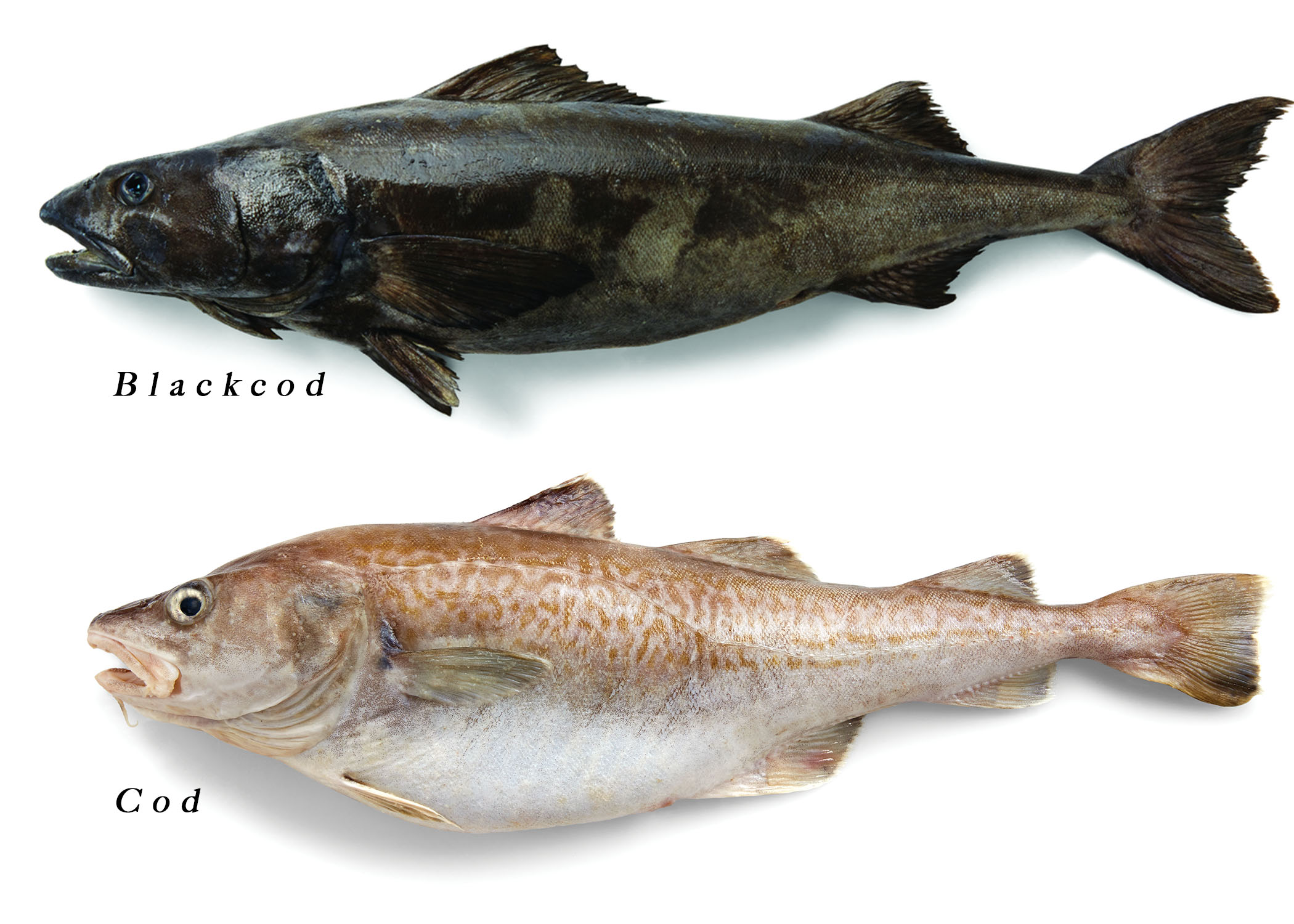
You’re at the seafood counter, and two fillets stare back at you: one labeled cod, the other black cod. They look similar, but one costs about the same as a fancy latte, and the other feels like a splurge. What gives? Let’s break it down without the fishy jargon—just the stuff you’d share with a friend over dinner.
They’re Not Even Cousins
Here’s the first curveball: black cod isn’t actually cod at all. It’s a fish called sablefish, and it swims in a completely different family tree. Real cod (like Atlantic or Pacific) is the lean, flaky white fish you might use for fish and chips. Black cod? It’s the buttery, melt-in-your-mouth showstopper that chefs whisper about.
Think of it like this: cod is your reliable sedan—gets you there, no fuss. Black cod is the luxury sedan with heated seats and a smooth ride. Both are good, but they’re built for different trips.
The Texture Talk
Cook a piece of cod, and it flakes apart like a gentle handshake. It’s light, mild, and almost disappears on your tongue. Black cod, on the other hand, is like butter left out on a warm counter—rich, velvety, and it practically begs to be savored.
If you’ve ever burned a piece of chicken, you know cod can dry out fast. But black cod? It’s forgiving. Even if you overcook it a bit, it stays moist, like that friend who never holds a grudge. That’s all thanks to its high oil content—up to 40% fat, which sounds scary but tastes like umami magic.
What About the Taste? (And the Smell)
Cod is the plain white rice of the ocean: it takes on whatever flavor you give it. Lemon, garlic, a little butter—it’s a blank slate. Black cod has a natural sweetness, like a whisper of honey and roasted nuts. You don’t need to dress it up; just salt, pepper, and a hot pan will do.
 Black Cod vs. Cod: The Main Differences And Flavor
Ever open a bag of frozen cod and get that faint fishy whiff? Black cod doesn’t do that. It smells clean, almost like the sea breeze itself. This makes it ideal for anyone who’s a little scared of “fishy” fish—including picky kids or skeptical partners.
Why Should You Care?
Let’s be real: price matters. Regular cod is the everyday hero—you can grab a pound for about $10–12, toss it in a pan with some olive oil, and call it dinner. Black cod often runs $20+ per pound, so it’s a special occasion fish. Use it for a date night, a holiday meal, or the night you want to feel fancy while eating in sweats.
But here’s the fun part: black cod is also healthier than you’d expect. That butteriness comes from omega-3 fatty acids, the same good fats in salmon. So when you eat black cod, you’re indulging in something that’s actually good for your heart. Cod is lean protein—great for muscle repair, but not as rich in those heart-helping oils.
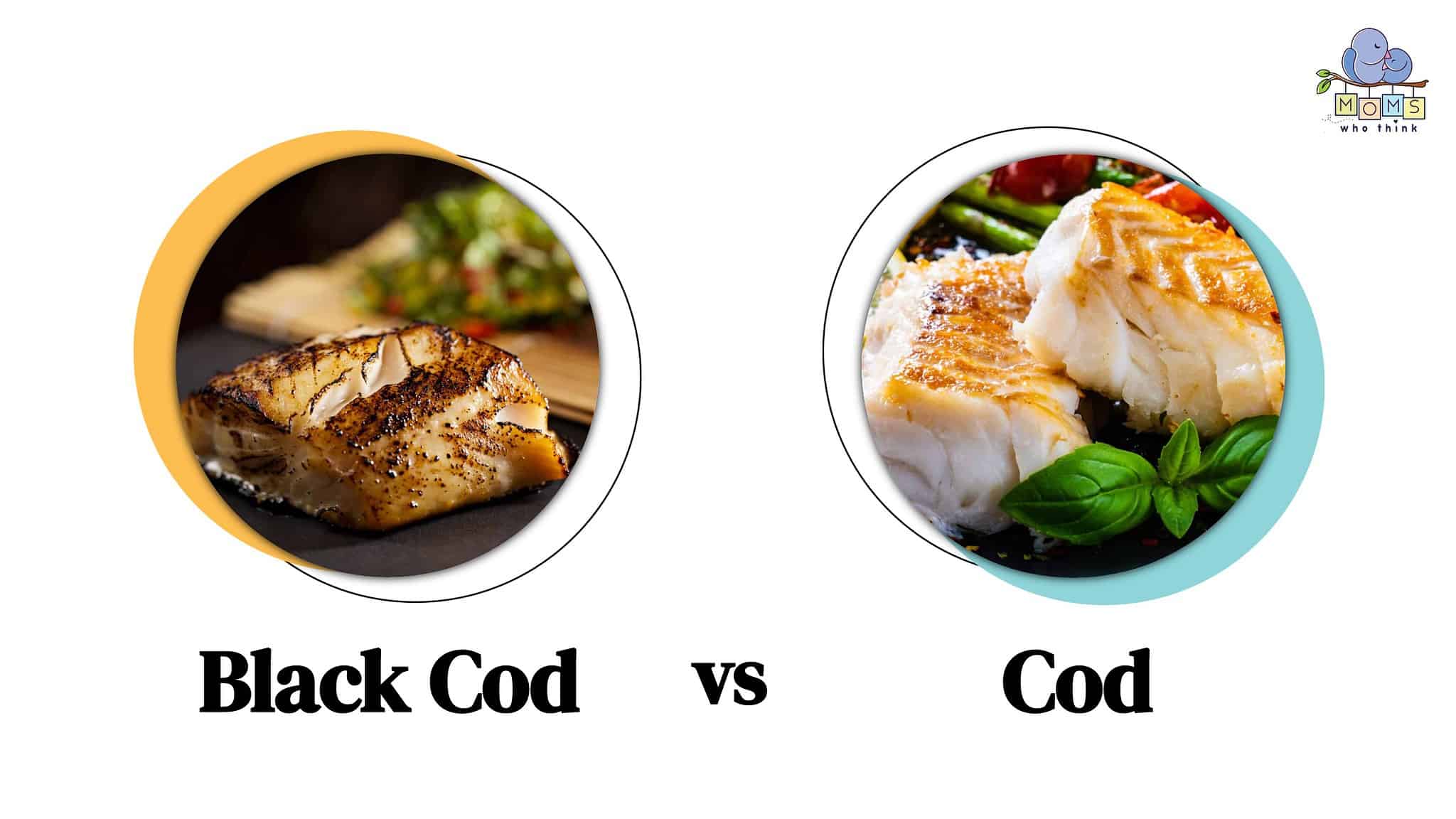 Black Cod vs. Cod: The Main Differences And Flavor
The Easy Swap Rule
If a recipe calls for cod, you can always sub in black cod, but know that the cooking time and flavor will change. Black cod cooks faster because it’s more delicate, like a paper towel versus a dishrag. If you’re making fish tacos on a Tuesday, use regular cod. If you’re impressing someone, go black cod.
My personal story? Last winter, I made black cod with miso glaze for my dad—the man who “hates fish.” He ate two servings and asked for the recipe. That’s the power of black cod: it converts people.
The Last Bite
So next time you’re at the market, don’t stress. Ask yourself: Do I want reliable and affordable? Grab the cod. Do I want a hug in fish form? Splurge on black cod. Both are delicious, both are worth your time, and now you know the secret—so you can cook with confidence.
Now go thaw that fillet, pour a glass of something nice, and enjoy the heck out of whichever you choose. The fish counter just got a whole lot friendlier.