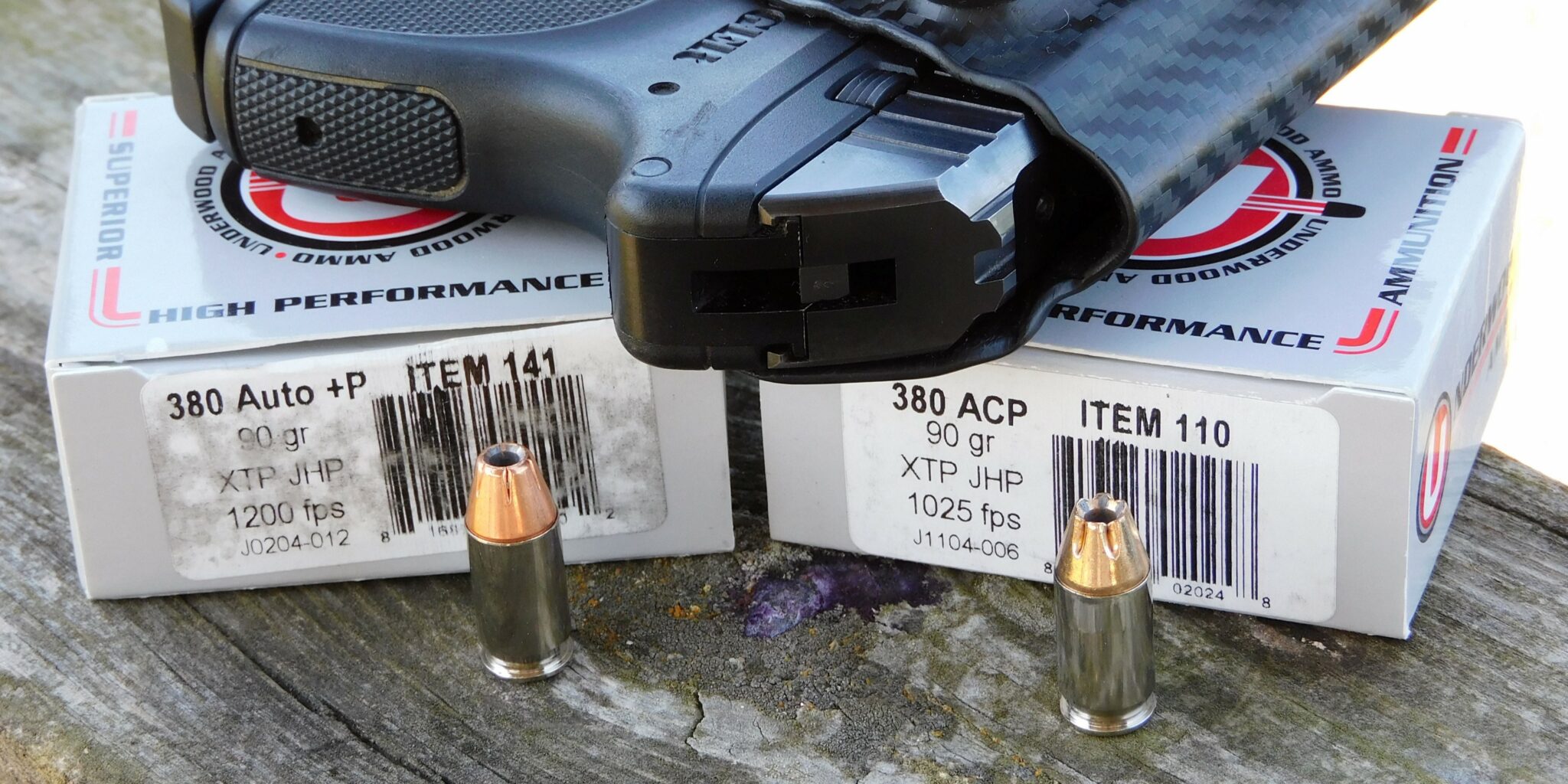
There’s something genuinely enjoyable about unraveling the little mysteries of the shooting world, and the question of whether .380 Auto is the same as .380 ACP is one of those wonderfully practical puzzles. It’s a topic that appeals to everyone from the curious new gun owner to the seasoned collector because it touches on the very ammunition you might load into a compact carry pistol. The main purpose of understanding this isn’t academic—it’s about confidence, safety, and making sure you grab the right box of ammo at the store. The benefit? No more confusion, no accidental frustration, and a deeper appreciation for the history in your hands.
Let’s cut to the chase: .380 Auto and .380 ACP are the exact same cartridge. There is no difference in dimensions, pressure, or performance. The “Auto” stands for “automatic,” referring to its design for semi-automatic pistols, while “ACP” stands for “Automatic Colt Pistol,” the name John Browning gave it when he developed it for Colt in 1908. Think of it like a nickname versus a full name—same person, just different labels. You’ll also see it called 9mm Browning Short or 9x17mm in other parts of the world, which can further confuse the unwary. But rest assured, if you’re buying a box marked “.380 Auto” for your Sig Sauer P238 or a box marked “.380 ACP” for your Ruger LCP, you’re getting the exact same round.
Why does this little naming quirk matter in the real world? Mostly because it prevents a costly or dangerous mistake at the gun counter. Imagine you’re a new shooter, and you see two boxes side by side: one says “.380 ACP” and the other says “.380 Auto.” If you suspect they might be different, you might walk away empty-handed or buy the wrong one. Knowing they are identical means you can grab either with total confidence. For experienced shooters, it’s a practical time-saver when browsing online or at a show—no need to second-guess your purchase. It also helps when talking with fellow enthusiasts; you’ll hear both terms used interchangeably, and now you can nod along without blinking.
More to explore
The real beauty of .380 Auto / .380 ACP is its versatility. It’s a reduced-recoil cartridge that’s ideal for small, lightweight pistols used for concealed carry. Think of popular models like the Glock 42, the Smith & Wesson Bodyguard 380, or the classic Walther PPK. These firearms are beloved precisely because the .380 round offers enough stopping power for self-defense while keeping muzzle flip manageable. It’s not a powerhouse like a .357 Magnum, but it’s a perfect sweet spot for shooters who want something more capable than a .22 but gentler than a 9mm. That’s why it’s a favorite for new shooters, those with smaller hands, or anyone who prioritizes quick follow-up shots.
 Best 380 Ammo: 2025 Tested and Reviewed
If you’re just getting started with .380 Auto, here are a few simple, actionable tips. First, always check your firearm’s manual or the stamp on the barrel to confirm what cartridge it requires—usually it will say “.380 ACP” or “9mm Browning.” Second, when buying ammo, you can safely ignore the name variation and focus on bullet weight (typically 90 or 95 grains) and bullet type (like Full Metal Jacket for practice or Hollow Point for defense). Third, start with standard-pressure loads if you’re new; avoid “+P” ammunition unless your gun is specifically rated for it, as .380 chambers are small and pressure spikes can be harsh. Lastly, practice regularly at 7 to 10 yards to get a feel for the gentle recoil—this cartridge rewards consistency over raw power.
In the end, the .380 Auto/.380 ACP is a classic example of how history and marketing can create a little confusion, but the reality is wonderfully simple. It’s a round that bridges the gap between pocket-friendly size and adequate defensive capability, making it a staple for millions of gun owners worldwide. Whether you call it by its official name, its nickname, or even its European moniker, the round works the same: reliably, affordably, and effectively. So next time you see those two labels, smile—you’re in on the secret that they’re one and the same. And that knowledge makes every trip to the range or gun shop just a little more enjoyable.
