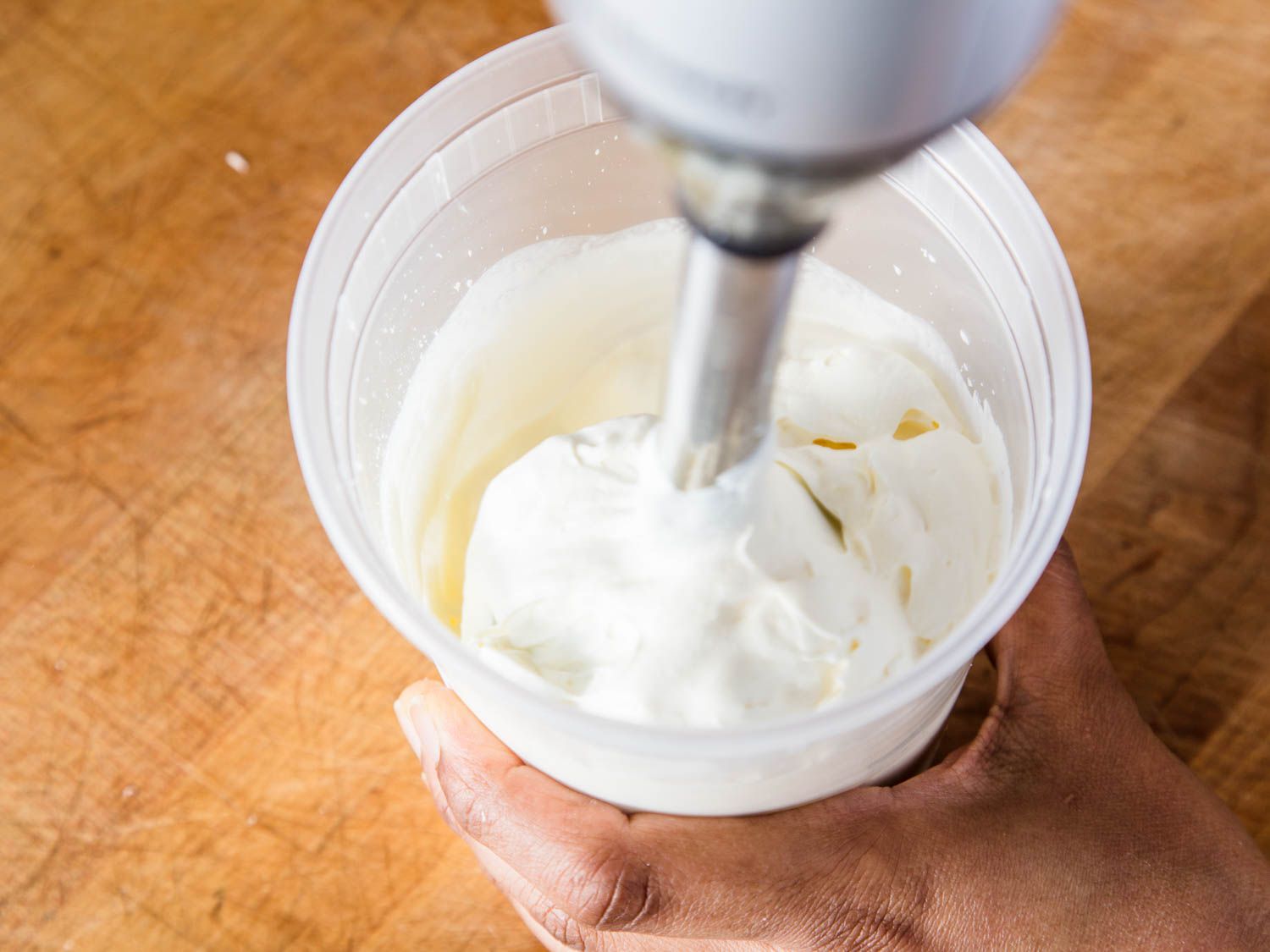
So, you’re out of arm strength, or maybe you just got a new blender and are itching to test its limits. You pour in the heavy cream, flick the switch, and... what actually happens? Is it a fluffy cloud of victory, or a sad, buttery puddle of regret? Let’s break down this common kitchen experiment with a relaxed vibe.
The Speed Factor: Your Blender is a Rocket Engine
A blender is aggressively fast. Unlike a whisk, which gently incorporates air, a blender uses sheer force to pulverize everything in its path. That initial burst of speed can instantly send your cream into the next dimension. You might get perfect whipped cream in under ten seconds—or you might overshoot by just one second and create butter.
Think of it like this: a whisk is a gentle jog, a stand mixer is a brisk walk, and a blender is a drag race. You don’t have time to check your phone; you have about three seconds of usable window before everything changes. It’s both thrilling and terrifying—like trying to catch a butterfly with a flamethrower.
More to explore
The Great Transformation: From Liquid to Butter
Here’s the cool science part. Heavy cream is a mix of fat droplets suspended in water. When you whip it, you pop those droplets open, and they cling together into a stable foam. That’s whipped cream. But keep blasting it, and those fat droplets merge into solid fat globs—and you’ve just made butter.
It’s honestly magic to watch. One moment you have a silky, airy dollop, and the next you have a chunky, yellow mess floating in buttermilk. You didn’t fail; you just got two recipes for the price of one. Does anyone really need a butter churn when a blender does it in thirty seconds?
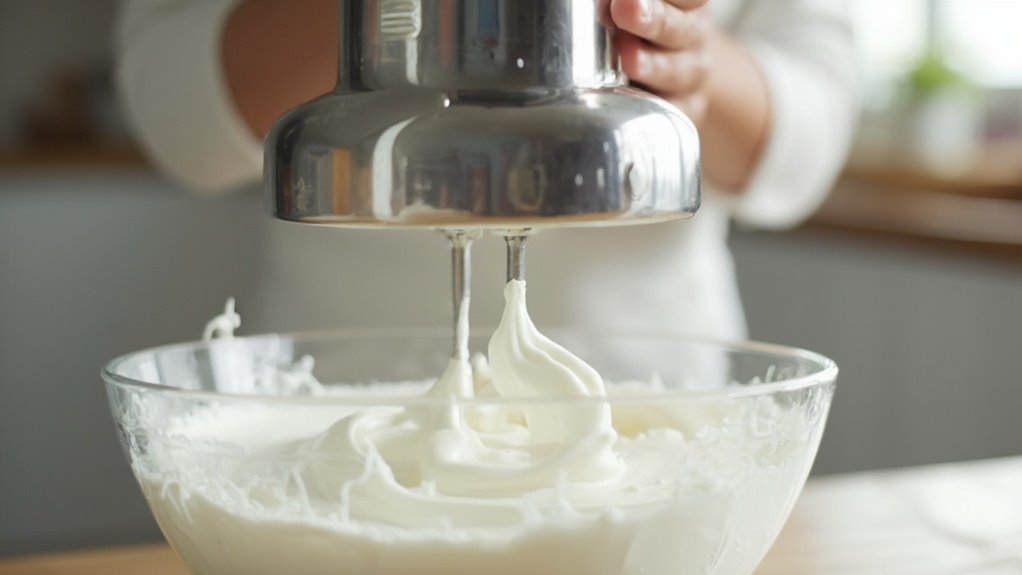 Evaluating Hand Blender Performance: Tips for Blending Ice,Dough,and
The Texture Trap: It’s Not All Smooth Sailing
Even if you stop at the perfect whipped cream, the texture is a little... different. A blender produces a denser, almost stiff foam, not the light, cloud-like texture you get from hand-whipping. It’s more like a thick mousse or a frosting than a dollop for your hot cocoa.
Have you ever felt that “gritty” or slightly grainy feel? That happens because the blade can overwork the cream, breaking up the fat into tiny, un-joyful lumps. It’s still edible, but it won’t win any texture awards. It’s the difference between a fresh baguette and a stale crouton—both good, but for different moods.
Practical Takeaway: Should You Even Try This?
Absolutely, yes—but with a massive warning label. You must use a low speed (pulse it!) and watch it like a hawk. If you blink, you’ll be making butter for your toast instead of cream for your pie. Some people even use the “pulse” setting to give it tiny, controlled bursts of air.
 How To Use Whip It Cream
And here’s a pro tip: if you want to avoid total chaos, add a tiny bit of powdered sugar or cornstarch before you blend. This stabilizes the cream and buys you a few more seconds before it curdles. Think of it as training wheels for your reckless blending adventure.
The Verdict: Fun, But Not Foolproof
In the end, whipping cream in a blender is a daring experiment. It’s incredibly fast, slightly risky, and gives you results you didn’t necessarily ask for. You might get beautiful whipped cream, or you might get a batch of homemade butter with a side of confusion. Both outcomes are delicious, so really, what’s the downside?
So go ahead—try it once. Embrace the chaos. And if you end up with butter instead of whipped cream, just smile and put it on a pancake. You didn’t fail science; you just became a Dairy Wizard.