
You’re sitting at a dinner table, fork hovering over a perfectly bronzed slice of beef, and a question pops into your head: Where does this roast actually come from? Not the grocery store, obviously, but from the animal itself. It’s a bit like asking which part of a book is the best chapter—every cut has a story.
The Big Secret: It’s All About the Muscles
Think of a cow, pig, or lamb as an athlete. The parts that work the hardest, like the shoulders and legs, are full of tough, stringy muscles. Those become pot roast or braised short ribs, slow-cooked until they fall apart like a tired runner after a marathon.
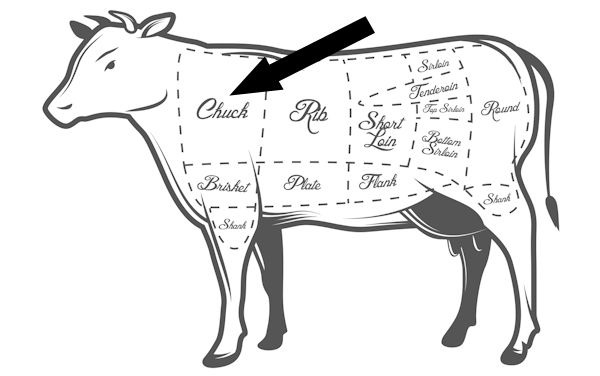
But the roast you picture for a Sunday dinner—the elegant, sliceable one—comes from the lazy muscles. We’re talking about the back, specifically the rib section and the loin. These muscles barely move, so they stay butter-soft and marbled with fat.
More to explore
The Rib Roast: The VIP Section
Imagine a strip of pure prime real estate running along the cow’s backbone. That’s where a prime rib roast lives, carved from the rib section between the 6th and 12th ribs. It’s the equivalent of a box seat at a concert—expensive, tender, and celebrated.
A standing rib roast still has the bones attached, which (fun fact!) act like heat conductors, cooking the meat from the inside out. It’s basically a steak turned into a centerpiece, with all the drama of a firework show.
Top Round vs. Sirloin: The Hard Workers
Move a little further back toward the hip, and you hit the sirloin. This roast is leaner, a little tougher, but still respectable—think of it as the reliable friend who shows up to help you move furniture. It’s perfect for roasting if you don’t overcook it.
 30 Cuts in 30 Days - Chuck Roast - Complete Carnivore
Down by the upper leg is the top round, a lean cut that’s often sliced thin for deli roast beef. It’s the everyman of roasts: affordable, versatile, and begging for a good marinade. A little weird fact: it’s called “top” because it’s from the top of the hind leg, not because it’s the best.
Why Does This Matter?
Knowing where a roast comes from changes how you cook it. A tough shoulder roast (from the chuck) demands low, slow heat for hours—like a stew’s distant cousin. A tender rib roast, though, gets angry if you overcook it; it’s a 15-minute-per-pound diva.
Ever wonder why some roasts are chewy and dry? Chances are you bought a round roast and cooked it like a rib roast. Mistake! It’s like trying to run a marathon in dress shoes—the equipment doesn’t match the job.
 What Is Beef Bottom Round Roast?
The Coolest Part: It’s All Connected
Here’s the fun bit: every roast is just a big piece of a steak you already love. A rib roast is basically a thick-cut ribeye steak standing on its side. A sirloin roast is just a giant New York strip steak before it’s sliced. It’s like seeing your favorite actor in a fat suit for a movie role—same material, different shape.
And the pork shoulder roast? That’s the same cut that becomes pulled pork, only it’s roasted whole instead of shredded. Mind blown, right?
So, Next Time You Carve…
You’re not just slicing meat; you’re cutting through a map of the animal’s life. The roast on your plate came from a part of the animal that held its spine straight, supported its weight, or just lounged around being delicious.
It’s weirdly cool to think about—a simple roast carries the geography of a whole creature. Next time someone asks, “Where’s the beef?” you can point to the cow’s back and smile like you know a secret. Because now, you do.