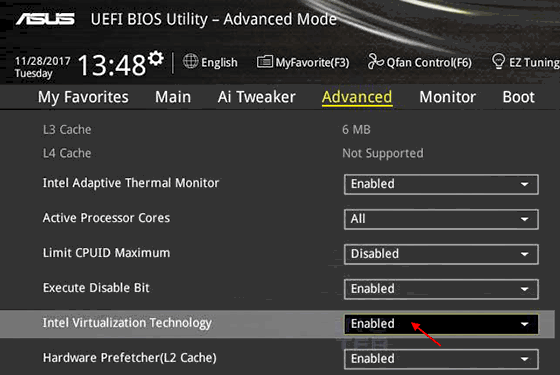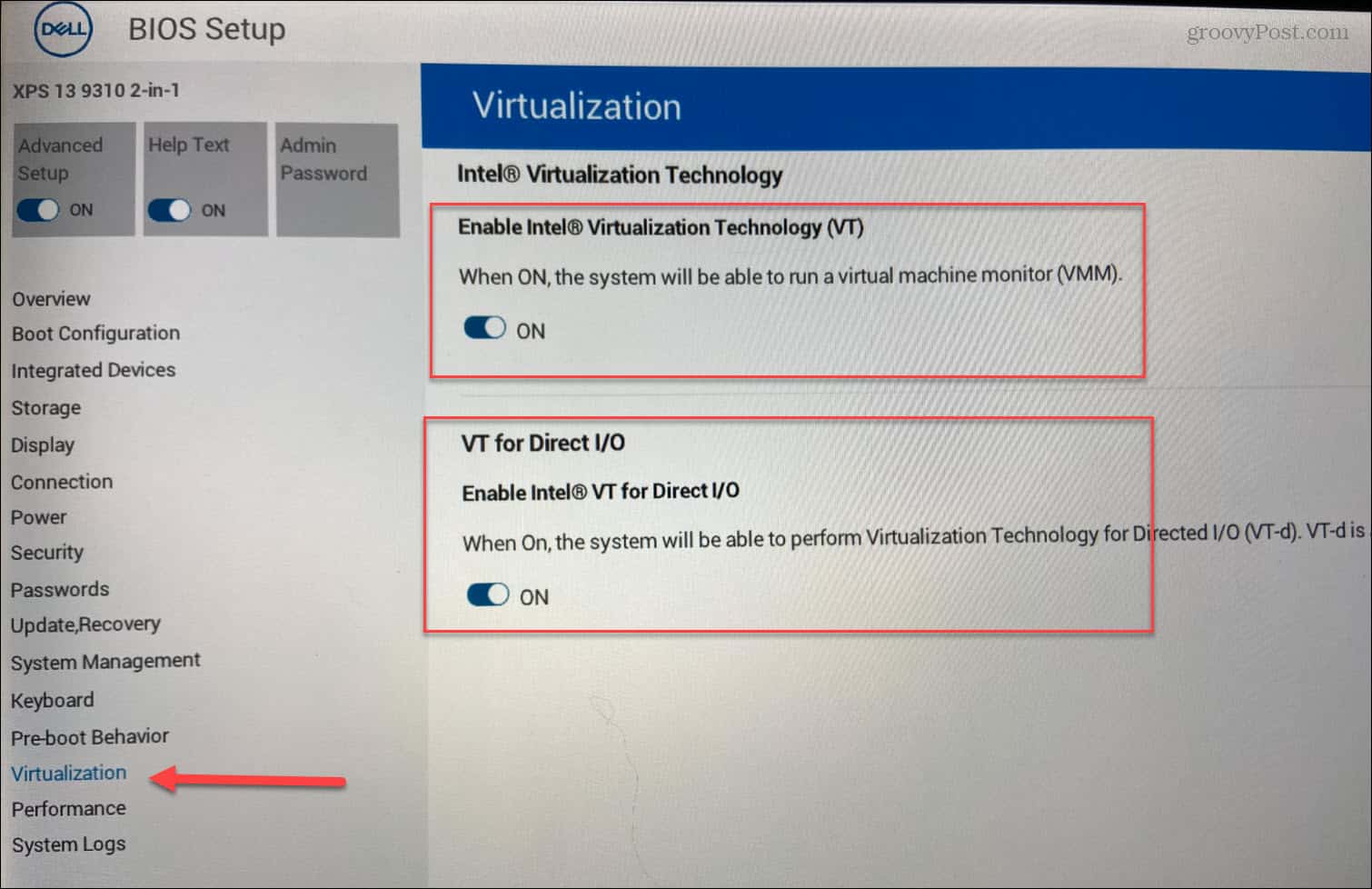
Welcome to the delightful world of BIOS Virtualization Enable! If you’ve ever wanted to run a different operating system inside your current one—say, test a wild Linux distro while keeping Windows safe, or play a retro game that demands an old setup—this is your magic key. It’s a tiny switch in your computer’s firmware that unlocks a universe of experimentation, security, and fun. Think of it as giving your machine superpowers to clone itself.
The core purpose of enabling virtualization in your BIOS is simple: it allows your processor to create multiple virtual computers inside your real one. This is the backbone of tools like VirtualBox, VMware, or Hyper-V. The advantages are enormous: you can test risky software in a sandbox, run apps from different platforms without dual-booting, and protect your main system from crashes. In short, it turns your PC into a multi-tasking wizard.
Let’s get creative with examples. Imagine you’re a web developer needing to test a new site on three browsers, each on a different OS—no problem with virtualization enabled. Or you’re a gamer who wants to launch an ancient Windows 98 classic: just fire up a virtual machine with that old OS. Even privacy buffs can spin up a temporary, isolated environment to browse the web without leaving tracks. Your BIOS setting makes these ideas instantly possible.
More to explore
Here’s a practical scenario: Sabrina, a graphic designer, once accidentally corrupted her main system while testing a font manager. After enabling virtualization, she now tests every new tool in a virtual Windows 10 clone. If the clone crashes, her real PC stays perfectly clean. That’s the power of a single BIOS toggle.
Ready to try it? First, access your BIOS by restarting and pressing a key like F2, Del, or Esc (check your manual). Look for categories like "Advanced," "Configuration," or "CPU Setup." Find an option named Intel VT-x, AMD-V, or SVM Mode. Set it to "Enabled," then save and exit. Pro tip: take a photo of your current BIOS screen in case you need to revert.
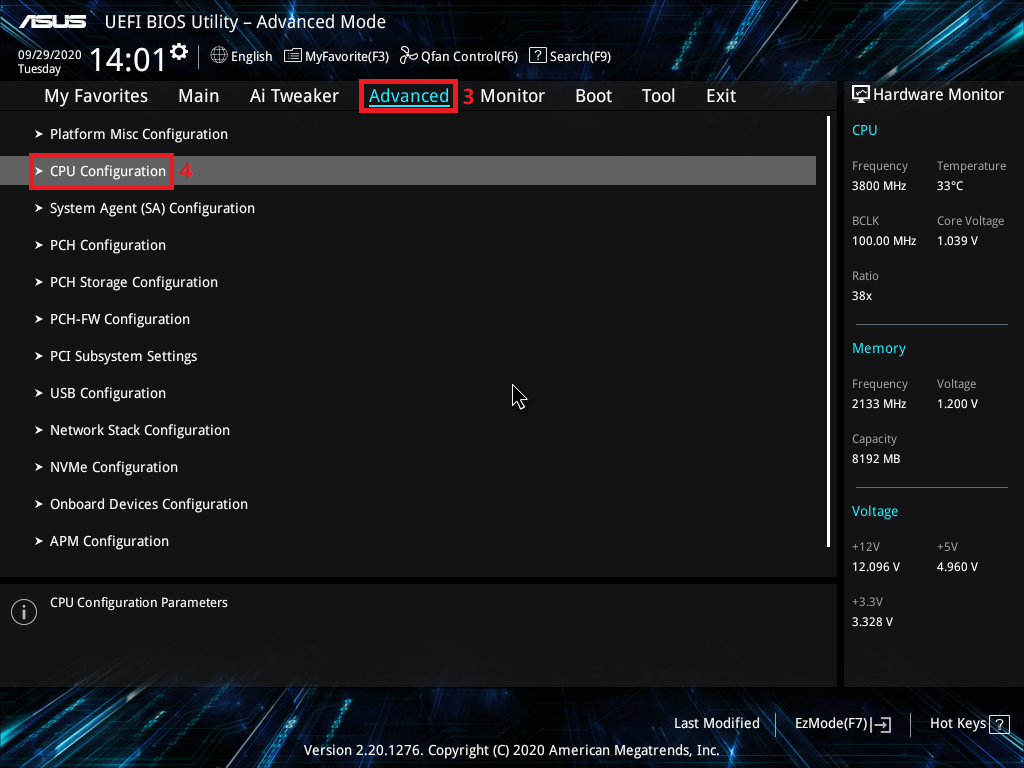 [Motherboard]How to set VT(Virtualization Technology) in BIOS and
Once virtualization is on, download a free hypervisor like VirtualBox and grab an OS installer ISO (Ubuntu is a great starter). Create a new virtual machine, allocate a few GB of RAM and a virtual hard drive, and boot it up. Within minutes, you’re running a second computer inside your primary one. It’s like having a digital sandbox for endless creativity.
Remember to keep your BIOS updated for the best compatibility, and don’t be afraid to disable virtualization temporarily if you encounter weird power-saving issues on laptops. This tiny setting is your gateway to safer experimentation, nostalgia, and multipurpose computing. Go ahead—unlock your computer’s secret power today!